The Practical Guide to Delta 8 Distillate: What Users Should Know
When I first started working with cannabis oils and concentrates in a serious way, I had a lot of catching up to do. The sheer variety of extracts, from full-spectrum resin to solventless rosin, can be overwhelming. One of the more recent additions to this landscape is something called delta 8 distillate, and it has been stirring up a fair bit of discussion among people who take their cannabinoids seriously. I have spent enough time around extraction labs and vape cartridge fill lines to have formed some strong opinions about what this stuff actually is, how it behaves, and where it fits into a balanced approach to using concentrates.
What Makes Delta 8 Distillate Distinct from Other Distillates
To understand delta 8 distillate, it helps to start with the basic idea of distillation as it applies to cannabis. The distillation process used for making cannabis oils and concentrates is not the same as making whiskey. In the cannabis world, you are dealing with a delicate mixture of cannabinoids and terpenes that need to be separated without destroying them. Heat, pressure, and vacuum all come into play. A distillate is the product you get after running crude extract through a still or a wiped-film molecular distillation setup. What comes out is a purified fraction, rich in specific compounds.
Delta 8 tetrahydrocannabinol, often shortened to delta 8 THC, is a minor cannabinoid that occurs naturally in the hemp plant. It is structurally similar to the more famous delta 9 THC, but with a double bond shifted one position over. That small change makes a big difference in how it interacts with the body's CB1 receptors. Delta 8 is psychoactive, but it produces a noticeably milder, clearer-headed experience compared to the intensity of delta 9. This is not speculation; it is something you can feel if you have sampled both side by side. A high-quality delta 8 distillate captures that profile in a concentrated form, free from the bulk of plant waxes and chlorophyll that can muddy the experience.
How a Distillate Differs from Other Concentrates
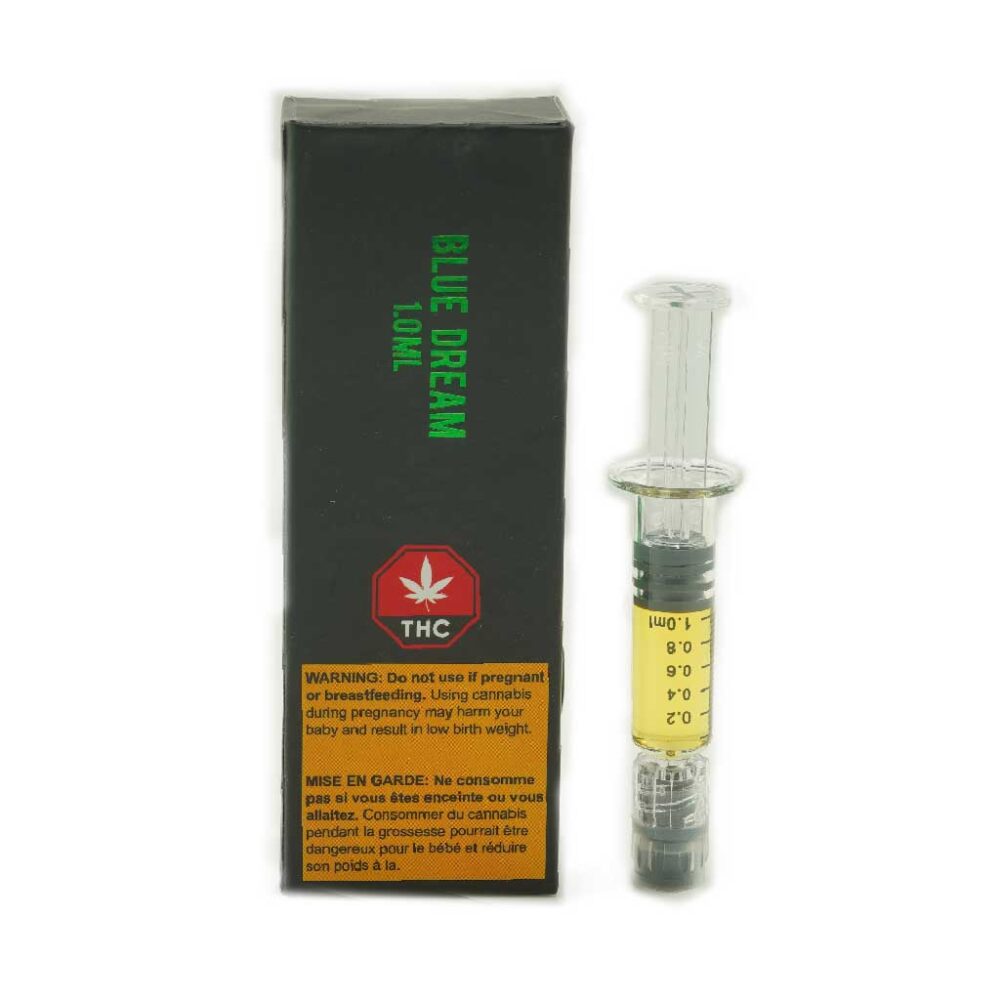
Many people lump all concentrates together, but there are real differences between a distillate, a resin, and a crystallized isolate. A distillate like delta 8 distillate is typically a liquid or semi-solid oil, depending on how it is finished. Because the distillation process strips away heavier molecules, the resulting oil tends to be more fluid than a sticky resin. This makes it ideal for filling vape cartridges, where you need the oil to wick properly without clogging the coil. Branded syringes filled with distillate are common in the online dispensary world, because they let you transfer the oil into your own tanks or dab rigs with precision. I have seen people try to use thick, unrefined resin in a vape pen, and it almost always leads to burnt coils and wasted product. A clean distillate avoids that headache.
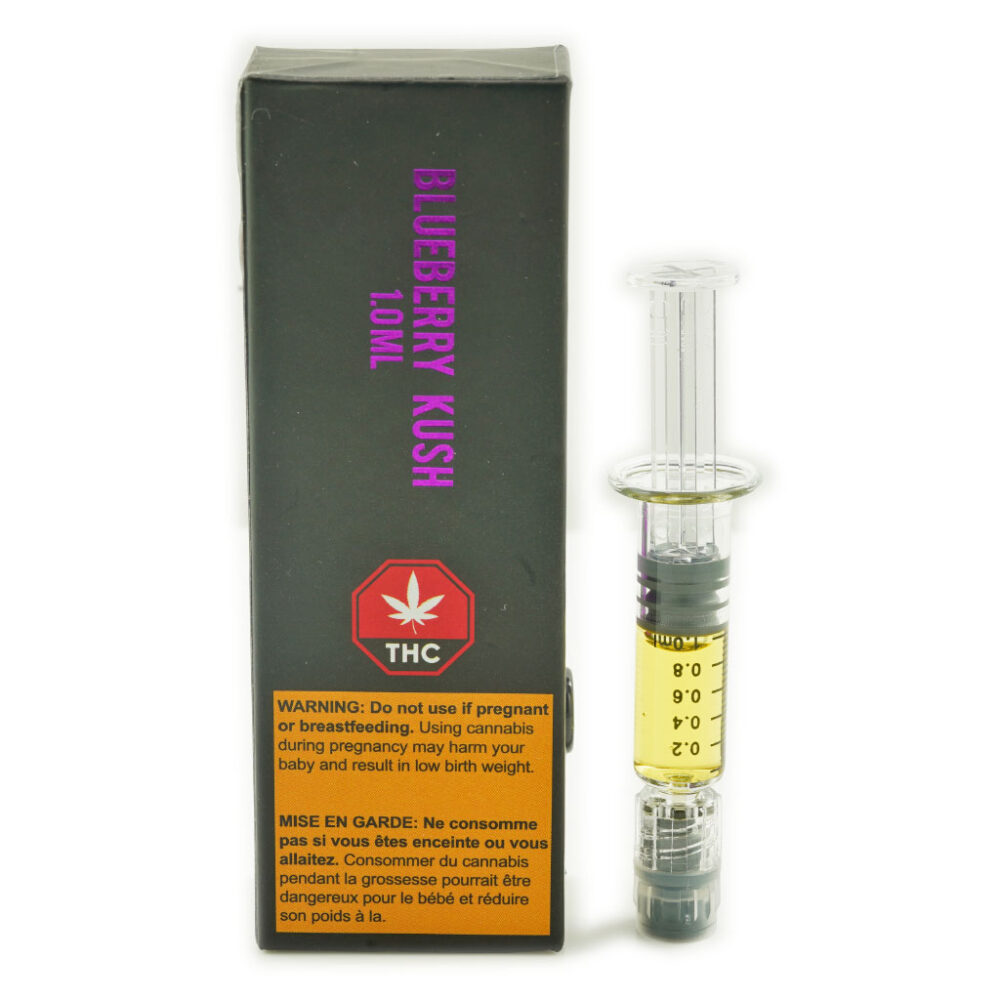
Distillates also differ from isolates. An isolate is a single cannabinoid that has been purified to near 100 percent. A distillate, especially a well-made one, retains a broader spectrum of compounds. That means you get the entourage effect from the minor cannabinoids and terpenes that survive the distillation. For a lot of experienced users, that makes the experience richer and more balanced than using a pure isolate. The delta 8 distillate offered by KushStation and other reputable suppliers is meant to be used as a base oil that you can vaporize, dab, or add to your own blends.
Practical Uses: Vaping, Dabbing, and Dosing
If you are new to using delta 8 distillate, there are a few practical things worth knowing. First, because it is a liquid concentrate, you have to treat it with care. A little goes a long way. I usually load a small drop onto the coil of a vaporizer designed for oils. Start with a low temperature setting, around 350 degrees Fahrenheit, and work your way up. Delta 8 tends to vaporize at a slightly lower temperature than delta 9, so you get a clean hit without wasting cannabinoids to excess heat.
Dabbing is another option, and it works beautifully if you have a quartz banger or a titanium nail. The key is to let the surface cool slightly after torching it, so you do not scorch the oil. A cold start dab, where you place the distillate in the banger and then heat it gradually, is especially good for preserving the terpene profile. The flavor of a well-made delta 8 distillate can be quite pleasant, with subtle grassy and citrus notes depending on the starting material. That is something you lose if you overheat it.
For people who prefer convenience, the same oil can be used to refill empty vape cartridges. A branded syringe makes this job clean and easy. Just draw up the oil, inject it into the cartridge, and let it sit for a few minutes to saturate the wick. The viscosity of delta 8 distillate is usually thin enough to wick well in a standard CCELL cartridge, which is what many commercial vape pens use. I have done this dozens of times, and as long as you avoid mixing incompatible oils, the result is reliable.
Comparing Delta 8 and Delta 9 Distillates
You will often see delta 8 distillate mentioned alongside delta 9 distillate, and for good reason. They come from the same family of cannabinoids and are both used in concentrates, but they serve different roles. Delta 9 is the more potent psychoactive compound, the one that can produce strong euphoria and, for some people, anxiety. Delta 8 is about half as potent in terms of CB1 binding, which translates to a gentler ride. I have friends who cannot tolerate delta 9 because it makes them paranoid, but they find delta 8 to be perfectly manageable. That distinction makes delta 8 distillate a useful tool for anyone who wants the therapeutic benefits of THC without the intensity.
That said, delta 8 is still psychoactive. It will get you high, just in a more level-headed way. It is also worth noting that delta 8 breaks down more slowly in the body than delta 9, so the effects can last longer. That can be good or bad depending on your plans. If you have a long evening ahead, it might be ideal. If you need to be clear-headed in a few hours, you might prefer a shorter-acting option. Knowing your own tolerance and metabolism is part of using any cannabinoid responsibly.
The Role of Terpenes and Full-Spectrum Chemistry
One of the things that separates a good distillate from a mediocre one is how well the distillation process preserves the full spectrum of cannabinoids and terpenes. A crude distillation can strip away too many of the minor compounds, leaving you with a flat, one-dimensional oil. A better approach uses lower temperatures and vacuum assist to keep more of the volatile compounds intact. That is where the entourage effect really shines. The interaction between delta 8, CBD, and other minor cannabinoids can produce a more rounded experience than any single compound alone.
Terpenes also play a role in how the distillate feels and smells. Myrcene, limonene, and caryophyllene are common in hemp-derived distillates, and they contribute to both aroma and effect. If you are buying from an online dispensary, look for lab reports that list the full cannabinoid profile, not just the delta 8 percentage. A good delta 8 distillate should have a balanced ratio of delta 8 to minor cannabinoids, with minimal residual solvents. Hemp-derived sources are especially clean, because they start with biomass that is naturally low in THC, which makes the isolation of delta 8 simpler.
Quality Indicators and Common Pitfalls
Not all distillates are created equal. I have seen products labeled as delta 8 distillate that are actually just crude extracts with some delta 8 added back in. Real distillate is the result of a proper distillation process, not a blend. The texture should be consistent, not separated into layers. If you see a bottle with sediment or a waxy film at the top, that is a sign of incomplete filtration. A quality product will be clear or slightly amber, with a thin, pourable consistency.
Another thing to watch for is the presence of residual solvents. Some extraction methods use ethanol or butane, and if the solvent is not fully purged, it ends up in your vaporizer. That is not just unpleasant; it can be harsh on the lungs. Solventless extraction methods, like CO2 extraction or mechanical separation, tend to produce cleaner distillates. KushStation sources its distillates from producers who pay attention to these details, which is why their products show up in branded syringes that are easy to handle and store.
Finally, do not overlook the importance of proper storage. Like all cannabis oils, delta 8 distillate is sensitive to light, heat, and oxygen. Keep it in a cool, dark place, ideally in a glass syringe or an airtight jar. I have seen perfectly good oil turn dark and lose potency after sitting on a sunny windowsill for a week. Treat it like a fine essential oil, and it will stay fresh for months.
Final Thoughts on Using Delta 8 Distillate
Delta 8 distillate is not a miracle cure or a replacement for delta 9, but it fills a real niche in the world of concentrates. It offers a milder psychoactive experience, lasts longer, and works well in vape cartridges and dabbing setups. For anyone who wants to explore the subtler side of THC without diving into the deep end, it is worth trying. The key is to source it from a place that understands the distillation process and puts out a clean, full-spectrum product. KushStation has built a reputation around that kind of quality, and it shows in how their delta 8 distillate performs in real-world use.
Whether you are a seasoned concentrate user or someone curious about hemp-derived cannabinoids, taking the time to understand what you are inhaling makes the whole experience better. Know your source, respect your dosage, and enjoy the ride.